
At a glance
What you'll find on this page


The science behind KOLOK
Effective therapy
is more than
sessions.
is more than
sessions.
Many of the factors that influence therapy outcomes happen outside the clinic. Consistency, engagement, the consolidation of new habits and cooperation between specialists, patients and, very often, their parents have an enormous impact on the results achieved.
KOLOK's design is based on knowledge of how to support these areas in everyday practice.
KOLOK's design is based on knowledge of how to support these areas in everyday practice.

Key therapy challenges
Lack of consistency
Therapy effectiveness depends on daily work —
and that is the hardest thing to sustain between sessions.
and that is the hardest thing to sustain between sessions.

Time between sessions
Most of the therapy process happens
outside the clinic, where support is lacking.
outside the clinic, where support is lacking.

Falling motivation
Repetitive exercises with no visible results lead
to people abandoning therapy.
to people abandoning therapy.

No data for the specialist
Without insight into the patient's work, it's hard to make sound
therapeutic decisions.
therapeutic decisions.


What makes therapy effective
is what happens between sessions.
is what happens between sessions.
The starting point for KOLOK
What do we know from research?
82%
of patients don't keep up the regular home exercises they were prescribed
source: [ study / author, year ]
90%
greater therapy effectiveness when daily consistency is maintained
source: [ study / author, year ]
100%
increase in motivation while using the KOLOK app
source: [ study / author, year ]
[ Conclusion 1 from the studies — e.g. the role of consistency in consolidating results. ]
[ Conclusion 2 — effectiveness of myofunctional therapy in specific indications. ]
[ Conclusion 3 — the impact of support and monitoring on patient adherence. ]
[ Conclusion 2 — effectiveness of myofunctional therapy in specific indications. ]
[ Conclusion 3 — the impact of support and monitoring on patient adherence. ]
System features
Areas of knowledge
used in KOLOK

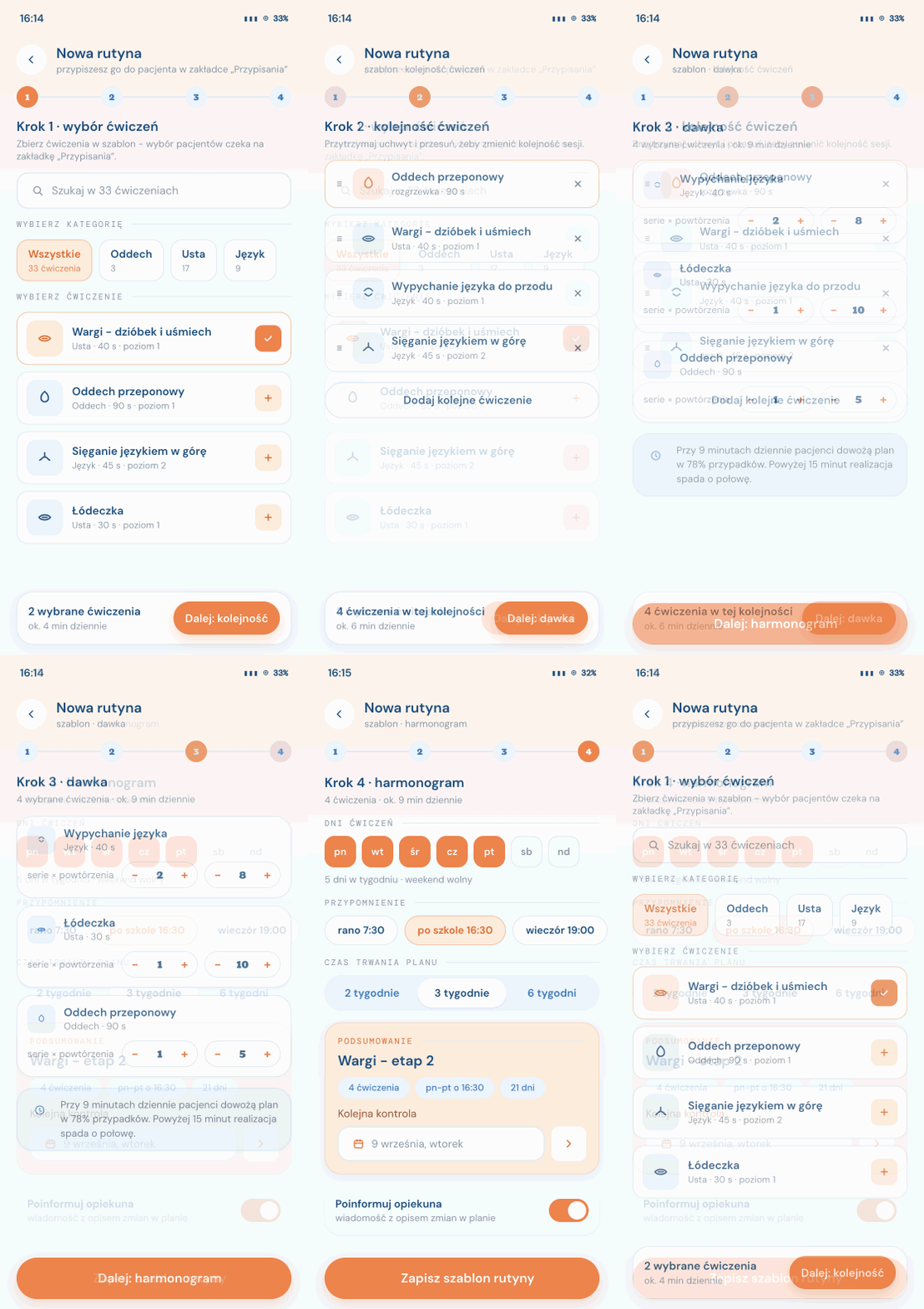
How we translate knowledge into KOLOK
Consistency builds results
KOLOK keeps the patient's daily
work going between sessions.
work going between sessions.
Motivation sustains therapy
visible progress and rewards
instead of coercion.
instead of coercion.
Monitoring improves decisions
the specialist sees the patient's real
work, not declarations.
work, not declarations.
Specialists' opinions

"An approach based on consistency and monitoring addresses a real problem in therapy."
Dr / MSc First Name Last Name
Speech therapist
"Myofunctional therapy supports orthodontic treatment — the tool helps maintain its continuity."
Dr / MSc First Name Last Name
Orthodontist
"Insight into the patient's work between sessions changes the way I conduct therapy."
Dr / MSc First Name Last Name
Physiotherapist
"I can finally see whether a patient is exercising between sessions. Consistency has increased beyond recognition."
MSc Anna K.
Speech therapist
"I do the 'clop' like a little frog and earn a new badge. I like the streak — I've already got 8 days!"
Antek
Patient (9 years old)
"For the first time, Zosia is asking to practise on her own. The app works better than my reminders."
Marta
Zosia's mum (daughter aged 7)
Collaboration
Scientific and clinical collaboration
Clinical Collaboration
St. Luke's Hospital
in Bielsko-Biała
in Bielsko-Biała
We base our methodology on real clinical practice and experience of working with patients.
Academic Collaboration
Academy of Fine Arts in Katowice
We combine therapeutic knowledge with human-centred design.
Collaboration

Expert Council
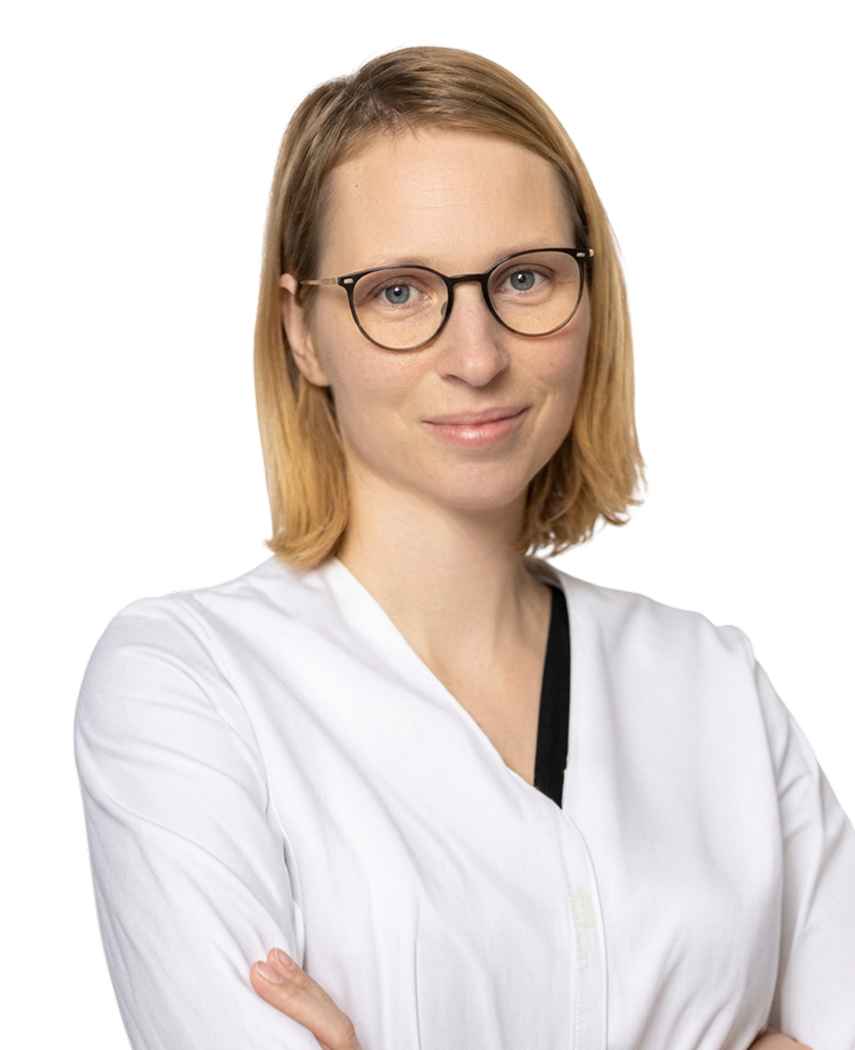
Dr Šárka Solecka
Otorhinolaryngology,
Sleep Medicine
Sleep Medicine
St. Luke's Hospital in Bielsko-Biała, University of Ostrava
Specialises in the diagnosis and treatment of ENT diseases in children and adults, as well as sleep-disordered breathing, including sleep apnoea.
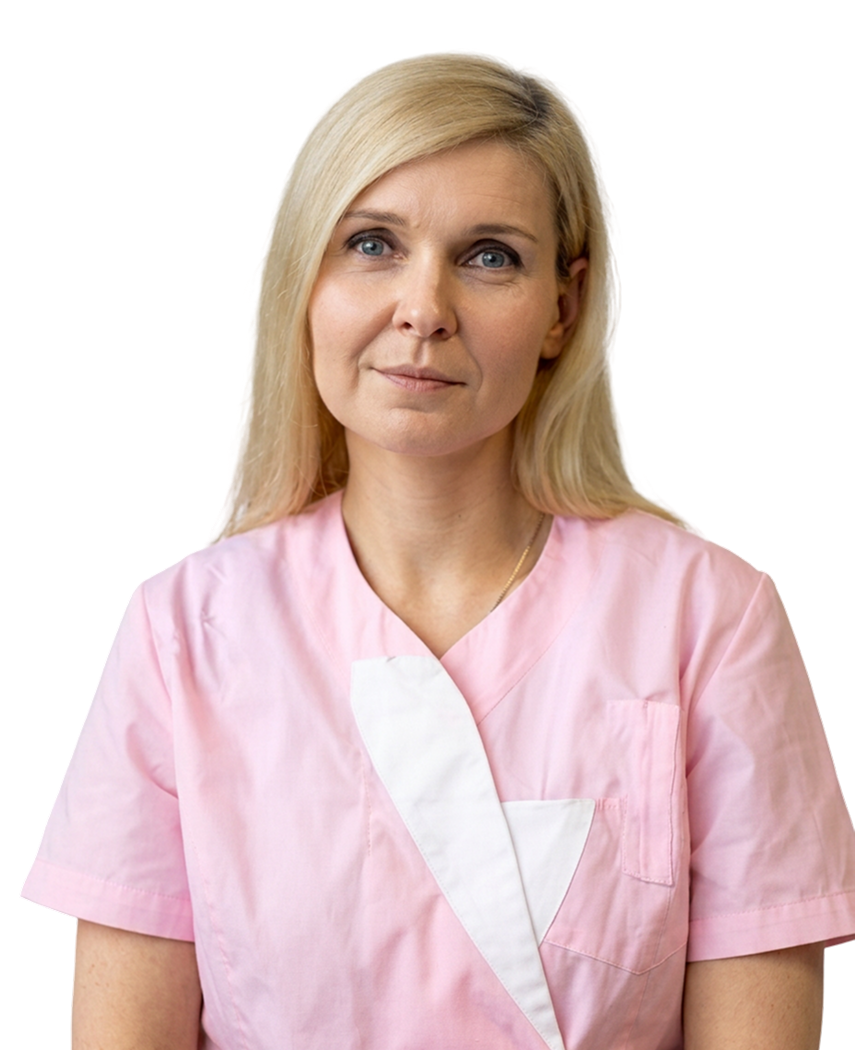
MSc Agnieszka Popiołek-Mędrzak
Neuro-speech therapist
St. Luke's Hospital in Bielsko-Biała
Specialises in diagnosing auditory processing disorders and assessing the risk of CAPD in children.
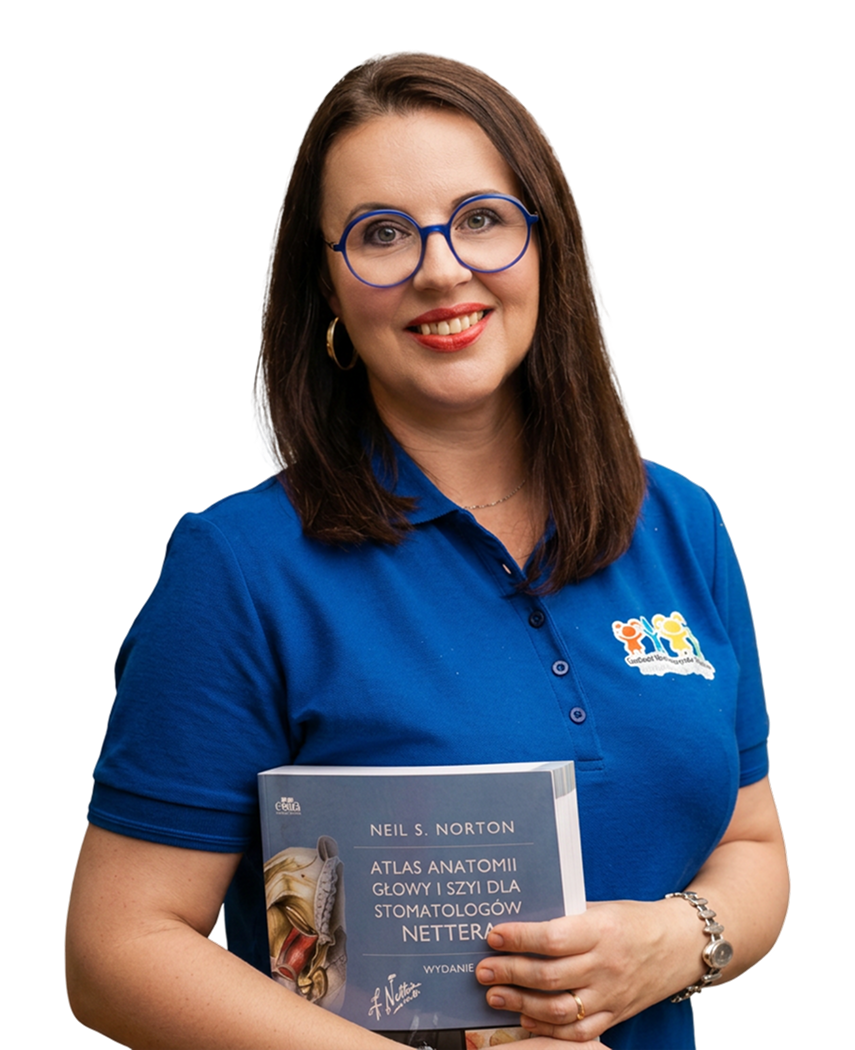
MSc Magdalena Putyra
Paediatric neuro-speech therapist
Children's Neuro-Speech Therapy Practice Magdalena Putyra
Specialises in early intervention and is a therapist trained in the Castillo Morales method. Founder of a school for children with special educational needs and co-founder of the “WIELKIE SERCE” Association.
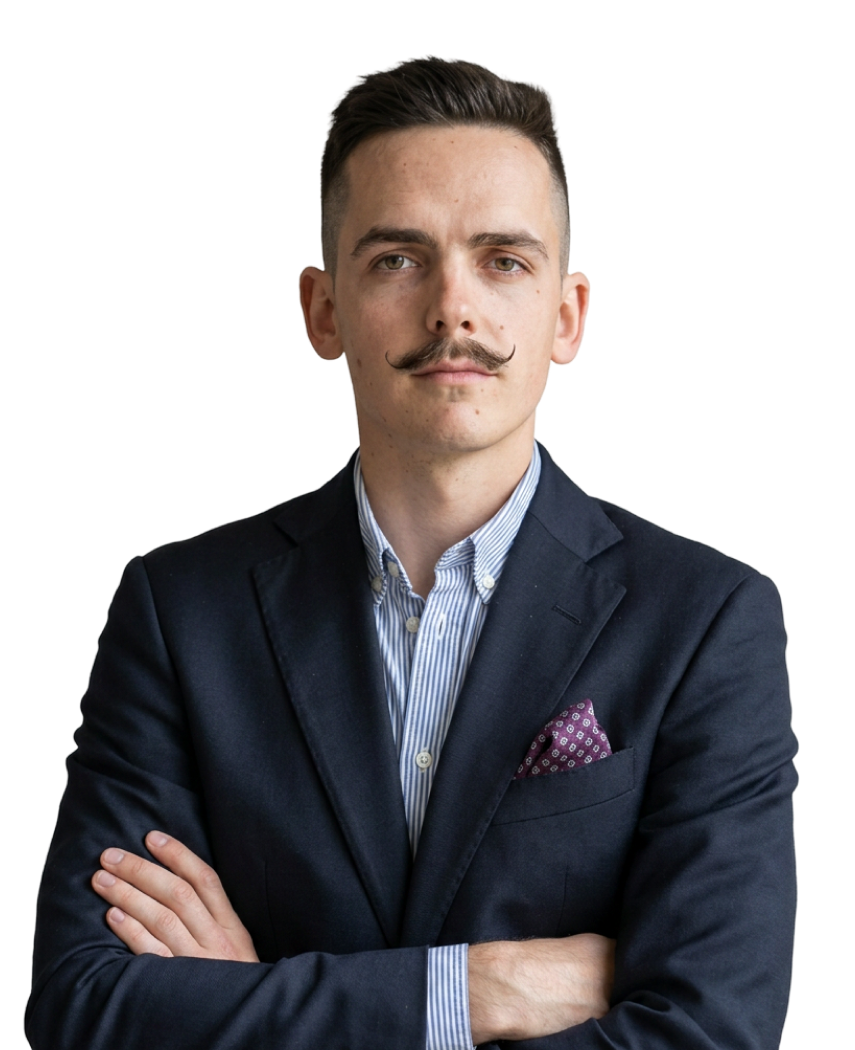
Jacek Boroniec
Founder
The idea for the app came to him while studying at Politecnico di Milano in Italy. Now he is bringing it to life and nurturing it according to the needs he reads from the world around him.
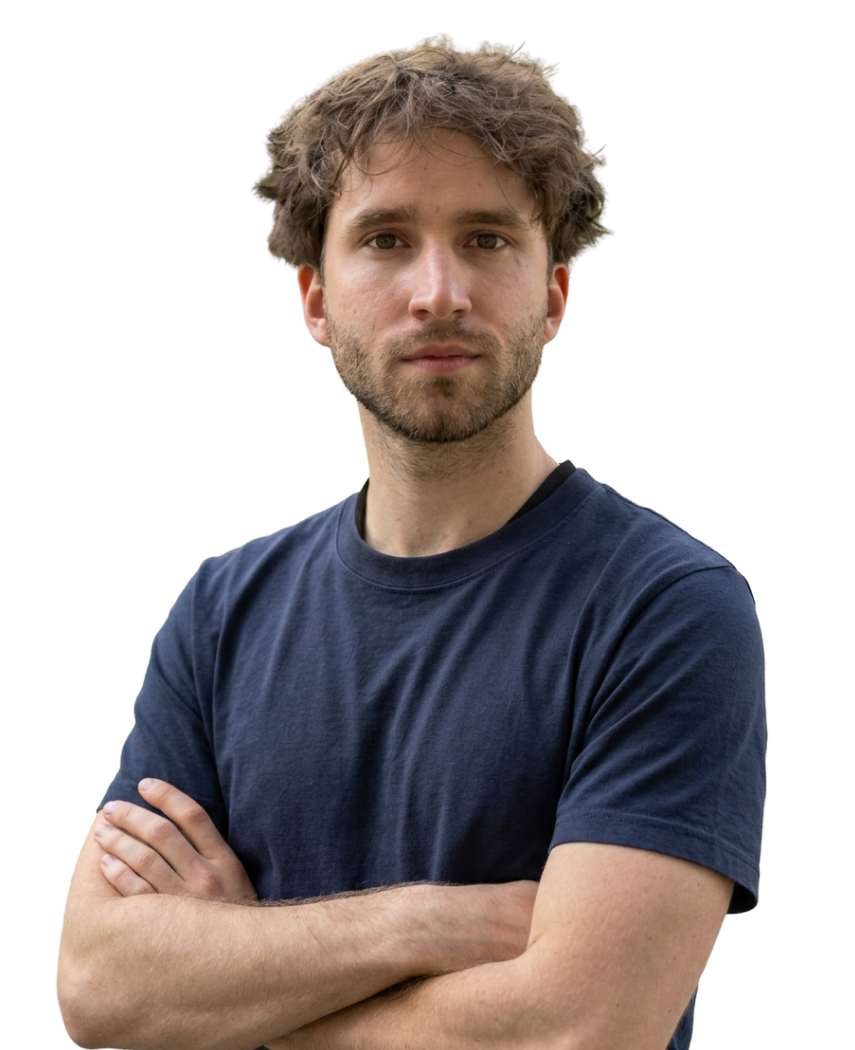
Dawid Marusarz
Software Developer
Graduate of Aalborg University in Denmark, a so-called Polish Dane, Szczyrk-born through and through

Valery Paschov
Software Developer
Description
Publications
and sources
The list is updated on an ongoing basis as the evidence base for KOLOK grows.
Publication / study title
[ Authors ] · [ journal, year ] · [ DOI / link ]
Publication / study title
[ Authors ] · [ journal, year ] · [ DOI / link ]
Publication / study title
[ Authors ] · [ journal, year ] · [ DOI / link ]
Publication / study title
[ Authors ] · [ journal, year ] · [ DOI / link ]
Guidelines / position statement of a scientific society
[ Organisation ] · [ year ] · [ link ]

New
studies and evidence
— straight to your inbox.

Newsletter
Sign up and we'll let you know about new publications,
case studies and KOLOK research results.
case studies and KOLOK research results.